
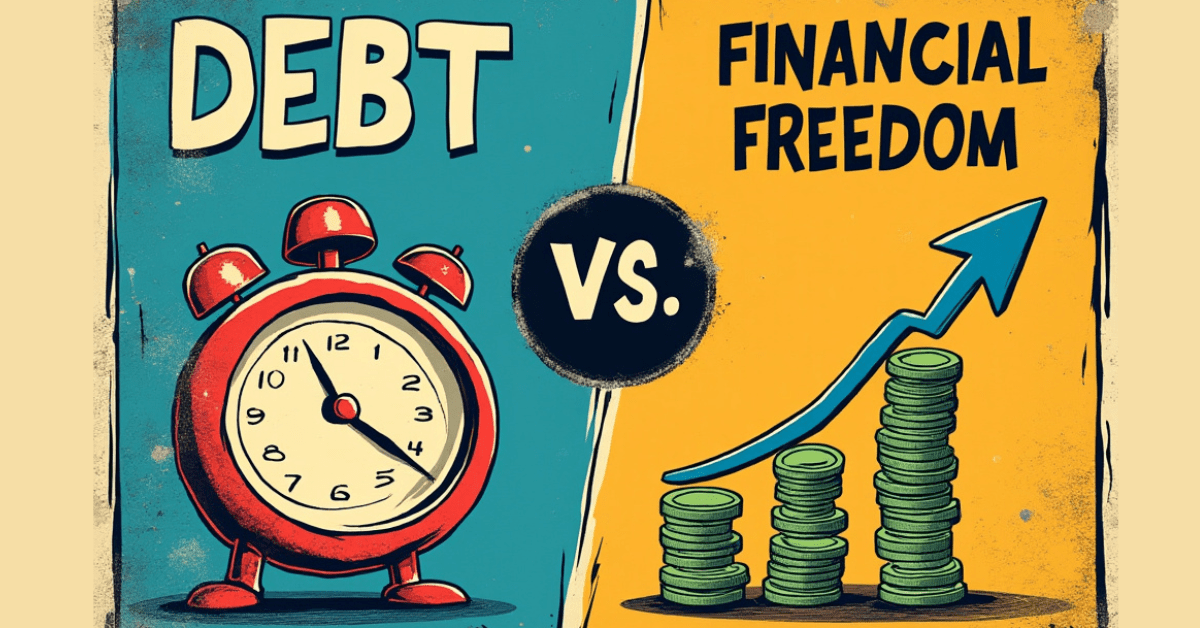
Debt has become so common that for many, it feels like a part of life. It can start early with student loans, grow with a car loan, spike after a wedding, and then balloon with a mortgage. Let’s talk about what you can do to break free.
What Is the “Middle-Class Debt Trap”?
The middle-class debt trap refers to the cycle of accumulating debt to maintain a comfortable lifestyle. Many people take on substantial loans for education, cars, homes, and even major life events like weddings. But this debt often limits freedom and can make achieving financial security a real challenge.
Here’s what this debt trap looks like for many middle-class families:
- Wedding: $40,000
- Car Loan: $65,000
- Student Loans: $100,000
- Mortgage: $500,000
- Total Debt: $700,000+
This debt may sound extreme, but these numbers reflect averages for many Americans. This type of debt not only affects finances but also impacts mental health, career choices, and life goals. Let’s dive into each of these common debt categories and explore their long-term effects.
1. Student Loans: An Expensive Head Start
Education is often seen as the key to a better future. But with college tuition costs soaring, student loans can saddle young adults with debt before they even start working.
For many, paying off student loans can take 20-30 years. This affects everything from buying a home to saving for retirement, as funds that could go toward building wealth are used to repay loans.
Tip: If you’re considering college, look for scholarships, grants, or community college options to reduce tuition costs. Remember, not all degrees offer the same return on investment—be realistic about your potential earnings.
2. Car Loans: The True Cost of Getting Around
Owning a car is a necessity for many, but car loans can be surprisingly high. A $65,000 car loan isn’t uncommon, especially as car prices increase.
A car loan typically has a shorter term (5-7 years) than other loans, making the monthly payments steep. This cost eats into monthly budgets and, since cars depreciate, you’re losing value on a large purchase from day one.
Tip: Instead of financing a brand-new car, consider a used or certified pre-owned vehicle. It’s often possible to get a reliable car for half the price, reducing the need for a big loan.
3. Weddings: Is a $40,000 Event Worth the Debt?
Many people dream of a big wedding, but at an average cost of $40,000, weddings can be a huge financial burden.
Spending a large amount on a wedding can delay other financial goals, like saving for a home or starting an emergency fund. The debt from a wedding doesn’t add any long-term financial value, unlike a home or education.
Tip: Focus on what matters to you and consider a smaller, intimate wedding. Experiences don’t need to be costly to be memorable.
4. Mortgage: The Longest and Largest Debt
For many, buying a home is a major milestone and can be a great investment. But taking on a $500,000 mortgage requires careful budgeting.
While a home can appreciate in value, it can also be a large monthly expense for decades. Homeownership costs go beyond mortgage payments, with maintenance, property taxes, and insurance also adding up.
Tip: Consider renting versus buying in high-cost areas or purchasing a smaller, more affordable home. Prioritize what you need, and remember that homeownership should align with your long-term financial goals.
Why Debt Holds People Back
Debt can limit life choices. It can keep people in jobs they dislike because they need the income to pay bills. It can delay starting a family, starting a business, or even retirement.
- High Monthly Payments: Large debts require large monthly payments, leaving less money for other needs or wants.
- Interest Costs: Over time, interest adds up. A $500,000 mortgage with interest can end up costing much more than the home’s price.
- Mental Stress: Constant debt is stressful, affecting mental health and overall well-being.
How to Break Free from the Debt Trap
Here are some steps to help reduce or avoid debt and start building financial freedom:
1. Set Financial Goals
Before taking on debt, ask yourself why you’re borrowing. Clear goals, like saving for retirement or buying a home, can help you make better decisions. Set both short-term (1-5 years) and long-term goals (10-30 years).
2. Build an Emergency Fund
Having savings for emergencies means you’re less likely to rely on credit cards or loans when unexpected costs arise. Aim to save at least 3-6 months of living expenses.
3. Prioritize Paying Off High-Interest Debt
Focus on paying off high-interest debt, like credit cards, as soon as possible. Interest can pile up fast, making it much harder to get out of debt.
4. Live Within Your Means
One of the simplest, yet most effective tips: don’t spend more than you make. Set a budget and track your spending to stay on top of your finances.
5. Consider Alternative Paths
Not everyone needs to take the “traditional” path of college, car, wedding, and house. Consider alternatives like community college, trade schools, or a small wedding.
Avoiding the Debt Trap
Breaking free from debt isn’t just about saving money—it’s about gaining freedom and flexibility in life. Debt can limit choices, but reducing debt can open up opportunities:
- Career Flexibility: Without debt, you can pursue jobs that align with your values and passions, not just those with high salaries.
- Financial Security: A debt-free lifestyle means more money for savings, investments, and retirement.
- Stress Reduction: Financial freedom reduces stress, leading to a happier, healthier life.
Beaking free from the middle-class debt trap takes planning, discipline, and sometimes saying “no” to common expenses. But the rewards—financial security, reduced stress, and the freedom to pursue your dreams—are worth it.
Start small, make smart financial choices, and remember that financial freedom is achievable.
FAQs About Debt and Financial Freedom
Q: Is all debt bad?
A: Not necessarily. Some debt, like a mortgage, can be “good debt” if it’s manageable and tied to appreciating assets. But high-interest or excessive debt can harm financial health.
Q: What’s the best way to pay off debt?
A: Prioritize paying high-interest debts first. You can also try the “snowball method,” focusing on small debts first for quick wins and motivation.
Q: How can I avoid taking on too much debt?
A: Set a budget, live within your means, and avoid financing large purchases if possible. Start small and build up your savings.
Q: Should I buy a home if it means going into debt?
A: A home can be a good investment, but it depends on your financial situation. Consider all homeownership costs (like repairs and property taxes) and don’t buy more than you need.
Q: Is it worth it to go into debt for a wedding?
A: A memorable wedding doesn’t have to be costly. Focus on meaningful moments and avoid debt for a single day’s event.
Q: What are alternatives to taking on student loan debt?
A: Scholarships, grants, community colleges, and trade schools can provide education without large loans. Think about the potential return on investment before taking on student debt.

Leave a Reply