
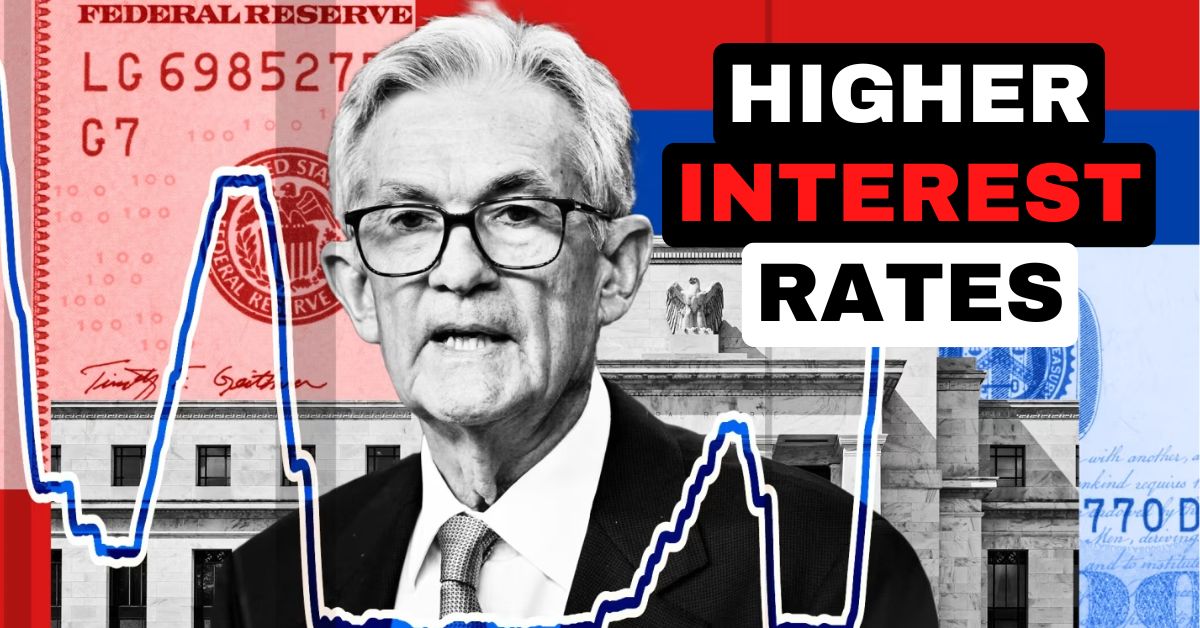
In 1980, the Federal Reserve pushed interest rates above 19% to crush inflation. It worked—but it caused a recession. That story reminds us: interest rates are powerful tools, and when used right—or wrong—they change everything.
Fast forward to 2025: Today, we’re not in the 1980s, but the Fed is still in defense mode. Despite falling inflation, strong job growth, and public pressure to ease up, the Federal Reserve is keeping interest rates elevated. Why?
Because the risks of cutting too early are just too high. The threat of Trump’s tariffs driving prices back up is real. And the Fed’s job is to plan ahead—not react too fast.
If you’ve ever wondered why your mortgage is still expensive, why credit card rates haven’t dropped, or how to position your money in a high-rate world—this post explains everything. We break down what the Fed is watching, why they’re holding firm, and what that means for your wallet.
Four Reasons the Fed Won’t Cut Interest Rates
1. Trump’s Tariff Tsunami Is Coming
Remember when Trump slapped tariffs on steel and aluminum? That was just the appetizer. Powell knows the main course is coming — tariffs on:
- Pharmaceuticals
- Computer chips
- Lumber
- Pretty much everything else
The Fed’s logic is simple: Tariffs = higher prices = inflation rebounds. They’re not cutting rates just to watch inflation spike again. As Powell put it, “There are many developments ahead, even in the near term. We don’t yet know with any confidence where they will settle out.”
It’s like watching a storm on the horizon. You don’t open your windows just because it’s calm right now.
2. Existing Tariff Pain Hasn’t Hit Yet
Here’s where it gets interesting. Those March tariffs? They haven’t shown up in prices yet. Powell expects the real impact to hit over summer 2025.
Think of it like eating bad sushi. You might feel fine for a few hours, but… you know what’s coming. The Fed’s basically saying, “Let’s wait and see how sick we get before taking any medicine.”
The whole process is messy:
- Manufacturer adds tariff cost
- Exporter marks it up
- Importer takes their cut
- Retailer passes it to you
Nobody knows exactly how much prices will jump. But businesses are already saying they’ll pass costs to customers. That’s not a maybe — it’s a when.
3. The Job Market Is Rock Solid (For Now)
Unemployment sits at 4.2% — historically low. When Powell looks at the job market, he sees strength, not weakness.
“You don’t really see unemployment going up,” Powell said. “4.2% is probably at the low end of estimates.”
Translation: Why cut rates when everyone has a job?
The Fed has two jobs:
- Control inflation
- Keep people employed
Right now, job #2 isn’t a problem. So they’re laser-focused on job #1.
4. The Fed Lives in the Future, Not the Past
This one’s crucial. The Fed doesn’t care that inflation looked good last month. They care about what happens next month. And next year.
Powell reminded everyone how they slashed rates to zero in March 2020 — before anything bad actually happened. “Nothing had happened. We just knew that it was going to be really bad.”
Now they see tariffs, trade wars, and uncertainty ahead. Cool inflation reports today don’t mean much if tomorrow brings chaos.
How Federal Interest Rates Actually Affect Your Life
Let’s talk about what the federal interest rate means for your wallet.
When You’re Borrowing Money
Every loan you take traces back to the fed interest rate. Here’s the chain reaction:
- Fed sets the rate at 4.25-4.50%
- Banks add their markup (usually 3%)
- Prime rate lands around 7.75%
- Your credit card rate = prime + 17% = 24.75%
That’s why your credit card APR hovers around 25%. It’s not random — it’s math.
The same ripple effect hits:
- Mortgages: 30-year rates jumped from 4.1% to 6.7% as the Fed hiked
- Car loans: That new ride costs more to finance
- Student loans: Private loans get pricier
- HELOCs: Your home equity line adjusts upward
When You’re Saving Money
Here’s the silver lining. Higher fed rates mean better returns on:
- High-yield savings accounts
- CDs (lock in those rates!)
- Money market accounts
Online banks like Discover pay over 5 times the national average. Why? They save money by skipping physical branches and pass savings to you.
Tip: If you think rates will drop eventually, lock in a 5-year CD now. You’ll thank yourself later.
Your Daily Spending
The Fed’s moves affect prices at the grocery store too. When rates rise:
- Businesses borrow less
- They invest less
- Economy slows down
- Prices (hopefully) stabilize
It’s economic tough love. Like a parent taking away the credit card to teach spending discipline.
A Reality Check on Rate Predictions
The Fed’s “dot plot” shows most officials expect two 0.25% cuts by year’s end. But here’s the kicker — seven out of 19 officials predict zero cuts.
Translation: Don’t hold your breath.
President Trump keeps demanding lower rates. But here’s what many don’t understand: The president can’t control interest rates. The Federal Reserve operates independently. Trump can complain all he wants (and he does), but Powell and the Fed make their own calls.
That independence matters. Imagine if politicians controlled rates before elections. They’d slash them every time to juice the economy. Hello, inflation nightmare.
The Historical Perspective: We’ve Been Here Before
Some context helps. The current fed rate of 4.25-4.50% feels high because we got spoiled. Check out this wild ride:
- 2008 Financial Crisis: Fed slashed to 0-0.25% (basically free money)
- 2015: Finally started raising (took 7 years!)
- 2019: Brexit fears = rate cuts
- 2020 Pandemic: Back to zero
- 2022-2024: Aggressive hikes to fight inflation
- Now: Holding steady while everyone waits
Before 2008, rates below 4% were rare. We’re actually returning to “normal” — it just doesn’t feel that way.

Smart Money Moves in a High-Rate Environment
Enough theory. What should you actually do?
If You Have Debt
- Attack high-interest debt first — those 25% credit cards are killers
- Don’t refinance for tiny savings — closing costs will eat any benefit from a 0.25% drop
- Consider consolidating — but only if you save at least 2-3%
- Avoid new variable-rate debt — rates could stay high longer than expected
If You’re Saving
- Shop around — online banks offer the best rates
- Lock in CDs — capture today’s rates for years
- Build your emergency fund — at least it’s earning decent interest
- Don’t chase yield — stick with FDIC-insured accounts
If You’re Investing
Warren Buffett’s advice rings true: “Be fearful when others are greedy, and greedy when others are fearful.”
High rates create opportunities:
- Bonds pay more
- Dividend stocks might lag (competition from bonds)
- Real estate cools (higher mortgage rates)
- Dollar strengthens (attracting foreign investment)
The key? Don’t panic. Make decisions based on your timeline, not today’s headlines.
Common Misconceptions About Fed Rates
Let’s bust some myths:
Myth #1: “The Fed controls my mortgage rate” Reality: They influence it, but your rate depends on your credit, down payment, and loan type. The 10-year Treasury matters more for mortgages than the fed funds rate.
Myth #2: “Lower rates always help the economy” Reality: Too-low rates cause bubbles. Remember 2008? Yeah, that was partly from keeping rates too low, too long.
Myth #3: “The Fed only cares about Wall Street” Reality: Their mandate covers employment and prices — stuff that affects everyone. Wall Street just reacts faster.
Myth #4: “Rate changes happen immediately” Reality: Fed moves take 12-18 months to fully impact the economy. We’re still feeling 2023’s hikes.
The Psychology Behind Rate Obsession
Why do we obsess over every Fed meeting? Behavioral economics has answers:
Loss aversion: We hate paying more interest way more than we enjoy earning it on savings.
Recency bias: We got used to near-zero rates. Anything higher feels wrong, even if it’s historically normal.
Herd mentality: When everyone talks about rates, we assume it must be important for us personally. (Spoiler: If you have a fixed-rate mortgage and no credit card debt, Fed moves barely affect you.)
Anchoring: We anchor to recent low rates instead of historical averages. Today’s 4.25% Fed rate? It averaged 5.5% from 1971-2020.
What Happens Next? Three Scenarios
Scenario 1: The Soft Landing (40% chance)
- Inflation cools without recession
- Fed cuts rates gradually
- Economy keeps humming
Scenario 2: The Tariff Shock (35% chance)
- Trade wars heat up
- Inflation rebounds
- Fed holds rates high (or hikes!)
- Mild recession follows
Scenario 3: The Wild Card (25% chance)
- Unexpected crisis emerges
- Fed slashes rates fast
- Back to emergency mode
The truth? Nobody knows. Not Powell, not Trump, not your brother-in-law who “totally called” the last recession.
Action Plan to Thrive at Any Rate
Forget predicting the Fed. Focus on what you control:
The 90-Day Sprint
- List all your debt with interest rates
- Calculate how much a 1% rate change costs you
- Build a 3-month emergency fund (high-yield savings)
- Review and optimize your budget
The 1-Year Foundation
- Pay off one high-interest debt completely
- Lock in a CD ladder (spread across terms)
- Increase 401(k) contributions by 1%
- Check your credit score quarterly
The 5-Year Wealth Build
- Diversify beyond rate-sensitive investments
- Consider I Bonds for inflation protection
- Build multiple income streams
- Stay informed but don’t obsess
Final Thoughts: Control What You Can
The federal interest rate might stay high. It might drop. It might surprise everyone. But here’s what won’t change — the fundamentals of building wealth:
- Spend less than you earn
- Invest the difference wisely
- Avoid high-interest debt
- Stay patient through cycles
The Fed will do what the Fed does. Powell will give cryptic speeches. Trump will tweet complaints. Markets will gyrate.
You? You’ll be fine if you focus on your own financial foundation.
Remember what economist John Maynard Keynes said: “Markets can remain irrational longer than you can remain solvent.” The same goes for Fed policy — it can remain “wrong” longer than you can wait for it to change.
So stop waiting. Start doing. Your future self will thank you — regardless of where rates land.
The smartest rate strategy? Build a financial life that thrives at any interest rate. That’s the real power move.
Key Concepts Summary
| Concept | Simple Explanation | Why It Matters to You |
|---|---|---|
| Federal Funds Rate | The interest rate banks charge each other for overnight loans. It’s the Fed’s main tool. | This rate influences the cost of your credit cards, car loans, and savings account yields. |
| The Fed’s Dual Mandate | The Fed has two main jobs: keep prices stable (low inflation) and keep people employed. | The Fed balances these two goals. A strong job market allows them to focus on fighting inflation by keeping rates high. |
| Inflation Target (2%) | The “just right” speed for price increases that keeps the economy healthy. | When inflation is above 2%, the Fed keeps rates high to cool down spending and bring prices back to the target. |
| Impact on Borrowers | High rates make borrowing money more expensive. | Your mortgage, car loans, and credit card balances will cost you more in interest. |
| Impact on Savers | High rates mean banks pay you more interest on your cash. | This is a golden opportunity to earn significant returns on your savings in HYSAs and CDs. |
| Controlling the Controllables | A mental model focused on your own actions, not external events you can’t influence. | Instead of worrying about the Fed, you can build wealth by focusing on your budget, savings rate, and debt plan. |
Frequently Asked Questions About Federal Reserve Interest Rates
What is the current federal interest rate?
The federal interest rate currently sits at 4.25% to 4.50%, where it’s been since January 2025. This rate serves as the benchmark for all other interest rates in the economy. Your credit card, mortgage, and savings rates all connect back to this number. The Federal Open Market Committee (FOMC) meets eight times yearly to decide whether to change this rate.
Why won’t the Fed cut interest rates right now?
The Fed rate stays high for four main reasons. First, President Trump’s tariffs haven’t fully hit consumer prices yet. Second, more tariffs are coming on pharmaceuticals, chips, and lumber. Third, unemployment remains low at 4.2%. Fourth, the Fed makes decisions based on future expectations, not past data. Powell sees inflation risks ahead that outweigh any benefit from cutting rates today.
How do federal interest rates affect my credit cards?
When the fed interest rate rises, credit card rates follow. Here’s the math: Fed rate (4.25-4.50%) + bank margin (3%) = prime rate (7.75%). Your credit card rate equals prime plus 15-20%, landing around 25% APR. That’s why minimum payments barely dent your balance. Every Fed decision directly impacts what you pay on carried balances.
What happens to mortgage rates when the Fed changes rates?
Mortgage interest rates federal reserve connections are complex but real. While the Fed doesn’t set mortgage rates directly, their decisions influence the entire rate environment. Fixed mortgages track the 10-year Treasury more than Fed rates. But adjustable-rate mortgages (ARMs) respond quickly to Fed changes. Current 30-year rates hover around 6.7%, up from 4.1% before Fed hikes began.
Will the Fed cut rates in 2025?
According to the latest fed rate news, most Fed officials predict two 0.25% cuts by year-end. But here’s the kicker: seven out of 19 officials forecast zero cuts. Much depends on how Trump’s tariffs impact inflation. Powell said they’ll “learn a great deal more over the summer.” Don’t bank on rate cuts — plan for rates staying high.
How often does the Federal Reserve change interest rates?
The Federal Reserve typically reviews the fed interest rate at eight scheduled meetings yearly. However, they can meet emergency-style between meetings if needed. Sometimes they change rates at every meeting (like 2022-2023). Other times rates stay frozen for years (like 2008-2015). There’s no set pattern — it all depends on economic conditions.
Can President Trump force the Fed to lower rates?
No. The Federal Reserve operates independently from political pressure. While Trump repeatedly demands lower rates, he has no legal authority to force changes. The Fed’s independence protects monetary policy from political manipulation. Trump can complain, tweet, and pressure — but Powell and the FOMC make their own decisions based on economic data, not political desires.
How do Fed rates affect my savings account?
Higher interest rates federal reserve decisions mean better savings returns. When the Fed raises rates, banks pay more on deposits to attract funds. Online banks currently offer rates over 5 times the national average. Traditional banks are slower to raise savings rates, so shopping around pays off. Consider high-yield savings accounts or CDs to maximize returns in this environment.
What’s the difference between the Fed rate and mortgage rates?
The federal interest rate is the overnight rate banks charge each other. Mortgage rates are long-term consumer rates. While connected, they’re not the same. The Fed rate directly influences short-term rates like credit cards. Mortgages follow long-term Treasury bonds more closely. That’s why mortgage rates don’t move penny-for-penny with Fed decisions.
Should I wait for rates to drop before buying a house?
Waiting for lower mortgage interest rates federal reserve style could backfire. Nobody knows when rates will drop significantly. Meanwhile, home prices might rise, eating any savings from lower rates. If you find the right house and can afford payments, today might be better than tomorrow. Focus on your timeline and finances, not rate predictions.
How long do Fed rate changes take to impact the economy?
Fed interest rate changes work slowly — typically 12-18 months for full impact. That’s why the Fed must look forward, not backward. Rate hikes from 2023 are still working through the system. This lag explains why the Fed seems “behind” sometimes. They’re playing chess, thinking several moves ahead while most people play checkers.
What happened the last time the Fed kept rates this high?
Before 2008, a 4.25-4.50% fed rate was normal, not high. From 1971-2020, rates averaged 5.5%. We got spoiled by near-zero rates after 2008. The last similar period was 2006-2007, just before the financial crisis. But today’s economy is stronger — unemployment is low, banks are healthier, and inflation is cooling.
Why does the Fed care more about future inflation than current inflation?
The federal interest rate works like a thermostat with a delay. By the time you feel cold and turn up the heat, it takes time to warm up. If the Fed waited for inflation to spike before acting, it’d be too late. They must anticipate problems. That’s why Powell watches tariff announcements more than last month’s inflation numbers.
How can I protect myself from high interest rates?
Start with high-interest debt. Attack credit cards paying 25% before investing anywhere else. Build an emergency fund in high-yield savings. Lock in CD rates if you have extra cash. For mortgages, consider points to buy down your rate. Most importantly, don’t panic. Make decisions based on your situation, not headlines.
What are the chances of a recession if rates stay high?
Current fed rate news suggests three scenarios. Soft landing (40% chance): Inflation cools without recession. Tariff shock (35% chance): Trade wars spike inflation, mild recession follows. Wild card (25% chance): Unexpected crisis forces emergency cuts. The strong job market provides cushion, but high rates do increase recession risk over time.
Do all banks follow Federal Reserve rate changes?
Banks must follow fed interest rate changes for overnight lending, but consumer rates vary by bank. Online banks typically offer better savings rates. Credit unions might offer lower loan rates. Shop around — in a 4.25-4.50% Fed environment, savings rates can range from 0.01% to 5%+. The difference compounds significantly over time.
What’s the Fed’s inflation target and why does it matter?
The Federal Reserve targets 2% annual inflation — not zero. Why? A little inflation encourages spending (why save cash that loses value?). Zero inflation risks deflation, where people delay purchases expecting lower prices. The federal interest rate is their main tool for hitting this target. Currently, inflation runs slightly above 2%, keeping rates elevated.
How do tariffs affect Federal Reserve interest rate decisions?
Tariffs create a fed rate dilemma. They push prices up (inflation) while potentially slowing growth (recession). The Fed must balance these competing forces. Powell specifically cited Trump’s tariffs as a key uncertainty. If tariffs spike inflation, rates stay high. If they crush growth, rates might fall. The Fed’s waiting to see which force wins.
Should I refinance my mortgage with current Fed rates?
With the federal interest rate at 4.25-4.50%, mortgage rates hover around 6.7%. Only refinance if you save at least 1-2% on your rate. Calculate closing costs versus monthly savings. If you plan to move within 5 years, refinancing might not pay off. For ARMs facing adjustment, switching to fixed could provide payment stability despite higher rates.
What investment strategies work best in high-rate environments?
High interest rates federal reserve environments favor certain investments. Bonds pay more attractive yields. Dividend stocks face competition from risk-free rates. Real estate cools as mortgages cost more. Consider ladder CDs, I Bonds for inflation protection, and value stocks over growth. Most importantly, diversify — don’t bet everything on rate predictions.

Leave a Reply