
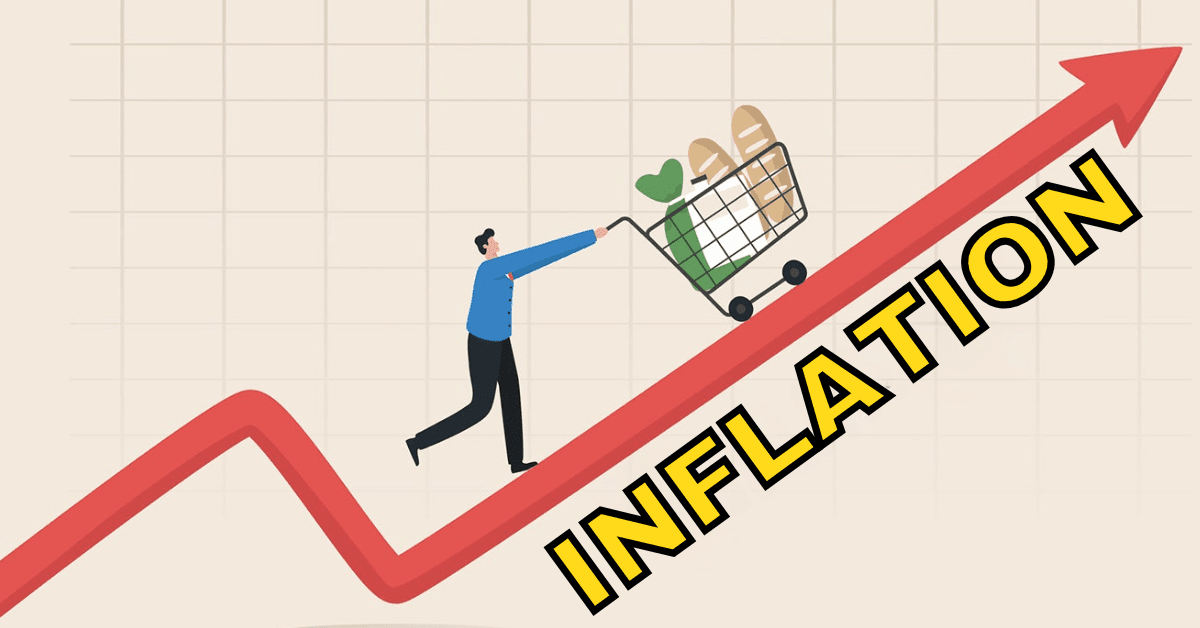
Inflation has been on everyone’s mind lately, and for good reason. The latest numbers are in, and they’re giving us a lot to think about. The newest inflation data shows prices rose 2.9% compared to last year, marking a shift in the economy’s path.
This increase, while lower than the dramatic peaks we saw in 2022, signals that the battle against rising prices isn’t over yet. The journey back to normal price levels is taking longer than many expected.

The Good News
Monthly core inflation (which leaves out food and energy prices) came in at 0.2%, below the expected 0.3%. This slower increase suggests that some price pressures might be easing.
Housing costs, which have been a major concern for many Americans, are finally showing signs of cooling, with shelter inflation dropping to 4.6% – the lowest rate in nearly three years.
The Not-So-Good News
Several everyday expenses are still rising faster than overall inflation:
- Car insurance jumped 11.3%
- Transportation costs increased 7.3%
- Car repairs went up 6.2%
- Utility gas rose 4.9%
What This Means for Your Daily Life
Impact on Essential Services
The areas seeing the biggest price increases are services many Americans can’t avoid. When car insurance rises by 11.3%, it’s not just a statistic – it’s real money coming out of family budgets every month.
Transportation costs, up 7.3%, affect everyone who commutes to work or drives their kids to school. These aren’t luxury items we can choose to skip – they’re necessary expenses that families have to somehow fit into their budgets.
Food and Housing Costs
While grocery prices have moderated somewhat, eating out continues to get more expensive, with restaurant prices up 3.6%. Housing costs, while showing improvement, still rose 4.8% for homeowners and 4.3% for renters.
Looking Ahead: What to Expect in 2025

The Federal Reserve’s Challenge
The Fed faces a tricky balance. While inflation has dropped significantly from its 9.1% peak in 2022, it remains above the 2% target. This persistent gap between current inflation and the Fed’s goal suggests interest rates might stay higher for longer than many hoped.
Political and Economic Factors
The upcoming Trump presidency adds new variables to the inflation equation. Several proposed policies could affect prices:
- Potential tariffs on imports
- Immigration policy changes
- Tax policy adjustments
Smart Money Moves for 2025
1. Review Your Insurance Coverage
With car insurance costs rising dramatically, it’s worth shopping around for better rates. Consider:
- Comparing quotes from multiple insurers
- Asking about bundling discounts
- Adjusting deductibles to lower premiums
2. Plan for Transportation Costs
With transportation inflation at 7.3%, smart planning becomes essential:
- Consider carpooling options
- Look into public transportation alternatives
- Plan trips efficiently to save on fuel
- Keep up with regular maintenance to avoid costly repairs
3. Housing Strategies
Despite some improvement in housing inflation, costs remain high:
- If you’re renting, consider longer lease terms to lock in current rates
- Homeowners might want to evaluate refinancing options as rates change
- Look into energy efficiency improvements to lower utility costs
Long-term Impacts
Economic Impacts
Three years of compound inflation have changed the economic landscape. While the yearly rate of 2.9% might seem manageable, remember that this comes on top of previous years’ increases. This compounding effect means many items cost significantly more than they did in 2021.
Wages
While wages have generally kept pace with inflation, the benefits haven’t been evenly distributed. Some sectors have seen stronger wage growth than others, creating varying levels of financial stress across different worker groups.
What to Watch in the Coming Months
Key Indicators
Stay alert to changes in:
- Monthly core inflation rates
- Housing market trends
- Energy prices
- Food costs
- Transportation expenses
Policy Changes
Watch for:
- Federal Reserve interest rate decisions
- New government policies affecting trade
- Changes in housing market regulations
- Transportation and energy policy shifts
Key Points
- Overall Inflation: 2.9% annual rate
- Core Inflation: 3.2% annual rate
- Highest Impact Areas:
- Car insurance (11.3%)
- Transportation (7.3%)
- Car repairs (6.2%)
- Utilities (4.9%)
- Housing costs showing improvement but still elevated
- Food away from home continues to rise at 3.6%
Making Sense of It All
Inflation is like a game of tug-of-war between our money and the cost of living. The latest inflation report tells a story of gradual improvement mixed with ongoing challenges. While we’re far from the alarming peaks of 2022, many Americans continue to feel the pinch in their daily expenses.
While we can’t control inflation directly, we can control how we respond to it. Remember, inflation affects everyone, but how much it hurts depends on how prepared we are.
FAQ: Understanding Inflation and Its Impact
What is Inflation?
Inflation is when things cost more money over time. Imagine a toy costing 10thisyearand10thisyearand11 next year—that’s inflation!
Why is Inflation Important?
Inflation matters because it affects how much your money can buy. If inflation is high, your money buys less.
What is CPI?
CPI stands for Consumer Price Index. It’s a way to measure inflation by looking at the prices of things people buy every day.
What is Core Inflation?
Core inflation looks at inflation without food and energy prices, giving a clearer picture of overall price changes.
How Does Inflation Affect Me?
Inflation can make everyday items more expensive, reducing your purchasing power.
What is the Fed’s Target for Inflation?
The Fed aims for about 2% inflation to keep the economy healthy.
How Does Inflation Affect Investments?
Inflation can reduce the value of investments, so it’s important to choose investments that grow faster than inflation.
What Can I Do to Protect My Money from Inflation?
Track your spending, invest wisely, and be flexible with your budget to handle rising prices.
How Does Inflation Impact the Cost of Living?
Inflation increases the cost of living by making everyday goods and services more expensive.
What Are Some Examples of Inflation in Everyday Life?
Examples include higher prices for groceries, utilities, and rent.
How Does Inflation Relate to Interest Rates?
Higher inflation often leads to higher interest rates as the Fed tries to control it.
What is the Difference Between Headline CPI and Core CPI?
Headline CPI includes all items, while Core CPI excludes food and energy for a clearer inflation picture.
How is Inflation Measured?
Inflation is measured by tracking price changes of a basket of goods and services over time.
What Causes Inflation?
Inflation can be caused by too much money chasing too few goods, or increases in production costs.
What Are the Long-Term Effects of Inflation?
Long-term inflation can erode savings and reduce the value of money over time.
How Does Inflation Affect the Economy?
Inflation can slow down economic growth if it gets too high.
What is the Relationship Between Inflation and Unemployment?
There’s often a trade-off between inflation and unemployment, with low unemployment sometimes leading to higher inflation.
How Does Inflation Influence Purchasing Power?
Inflation reduces purchasing power, meaning your money buys less over time.
What Are Some Historical Examples of High Inflation?
Examples include hyperinflation in countries like Zimbabwe and Weimar Germany.
How Can Inflation Be Controlled?
Governments and central banks use policies like raising interest rates to control inflation.
What is the Impact of Inflation on Savings?
Inflation can reduce the value of savings, especially if interest rates are low.
How Does Inflation Affect Borrowing and Lending?
Inflation can make borrowing more attractive as it reduces the real cost of repaying loans.
What Role Do Tariffs Play in Inflation?
Tariffs can increase inflation by raising the cost of imported goods.
How Does Inflation Affect Consumer Behavior?
Inflation can lead consumers to buy less or look for cheaper alternatives.
What is the Difference Between Inflation and Deflation?
Inflation is rising prices, while deflation is falling prices.
How Does Inflation Impact Stock Market Investments?
Inflation can impact stock markets by affecting company profits and investor behavior.
What is Stagflation?
Stagflation is when inflation is high, but the economy is not growing, leading to job losses.
How Does Inflation Affect Wage Growth?
Inflation can lead to higher wages as employers pay more to keep up with rising costs.
What is the Connection Between Inflation and Economic Growth?
Moderate inflation can signal a growing economy, but too much can hinder growth.

Leave a Reply